This site contains information about alcoholic beverages. To continue, please confirm that you are of legal drinking age in your country of residence.
Alcohol abuse is harmful to health.
Not for sale to minors under 18 years of age.
You must be of legal drinking age in your country of residence to enter this site.
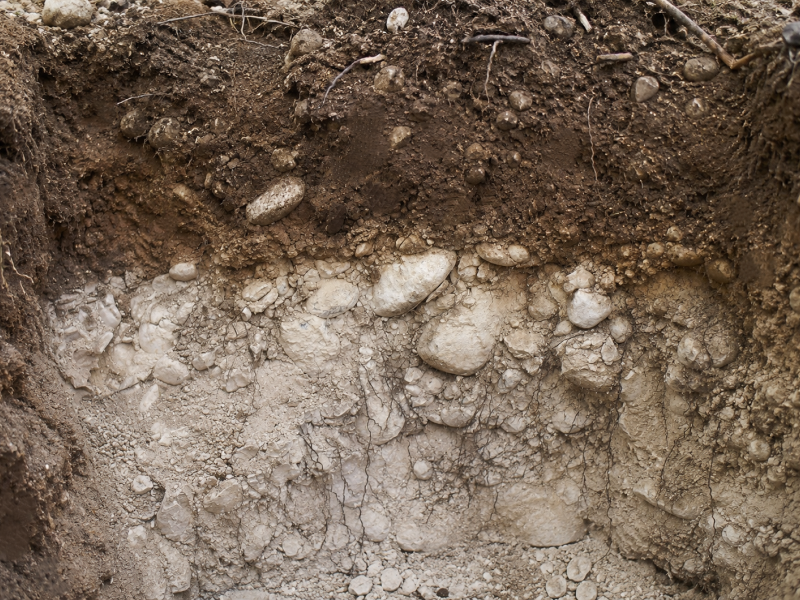
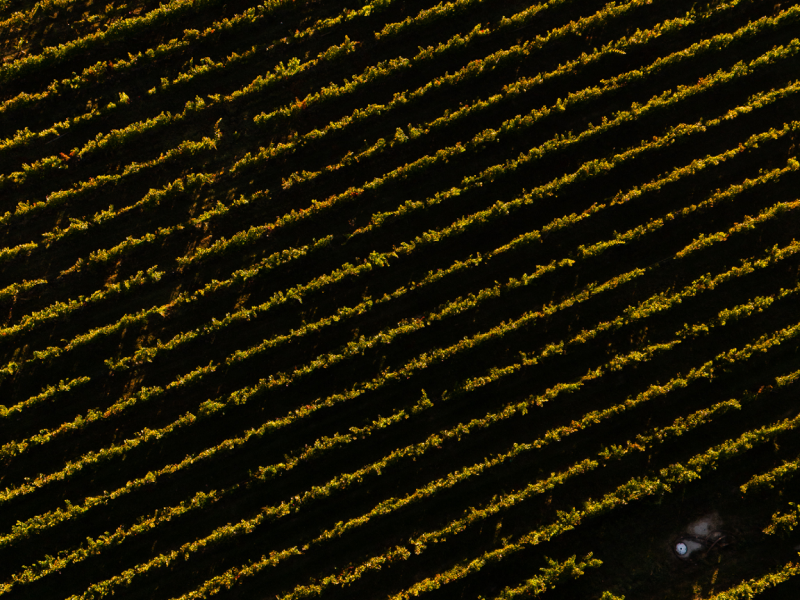
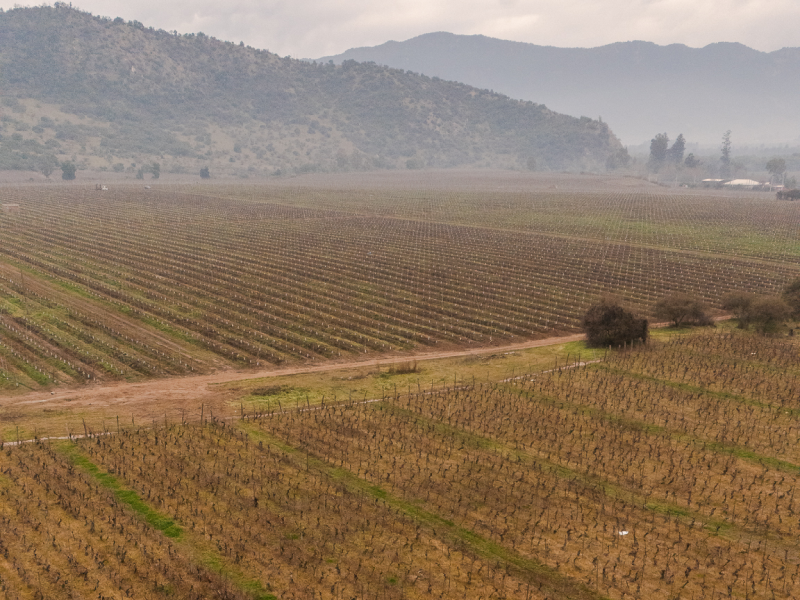
Our vineyards stretch between the Andes Mountains and the Pacific Ocean, spread across four valleys, each with its own identity. Every place contributes its climate, soil, and history to the character of our wines.
A coastal, nearly desert valley, moderated by the morning fog that rolls in from the Pacific. Its limestone soils and cool climate produce white wines with a tension and minerality unique in Chile.
Valley Information
Maipo, historically an important agricultural area south of Santiago. This valley was once dominated by orchards, fruit trees, and vineyards, favored by the alluvial soils of the Maipo River basin and an extensive network of irrigation canals.
Valley Information
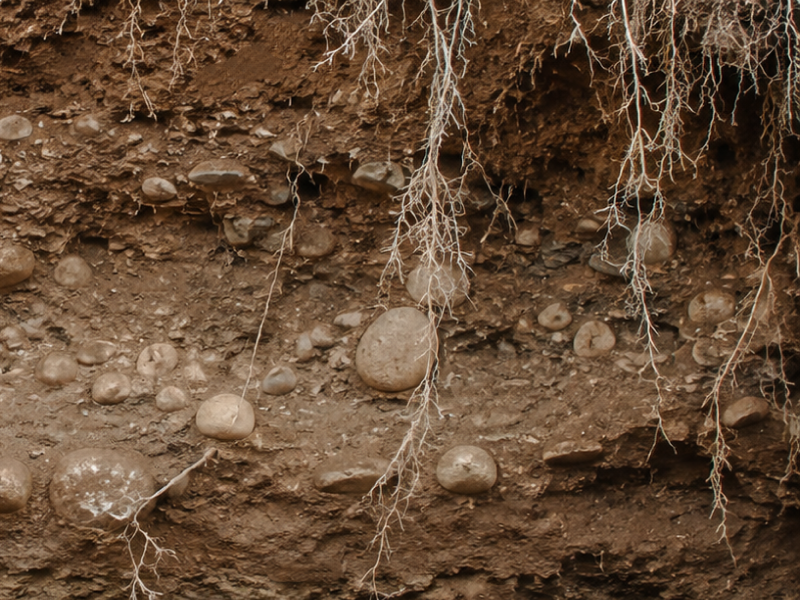
Located on the alluvial terrace of the Maipo River, in the mountainous Maipo canyon, the Boca Chica estate represents true mountain viticulture. Its altitude and extreme climate leave their mark on the vineyard's growth and define the identity of its wines, while the El Principal estate's vineyard sits on the sedimentary slopes descending from Cerro Blanco.
Valley Information
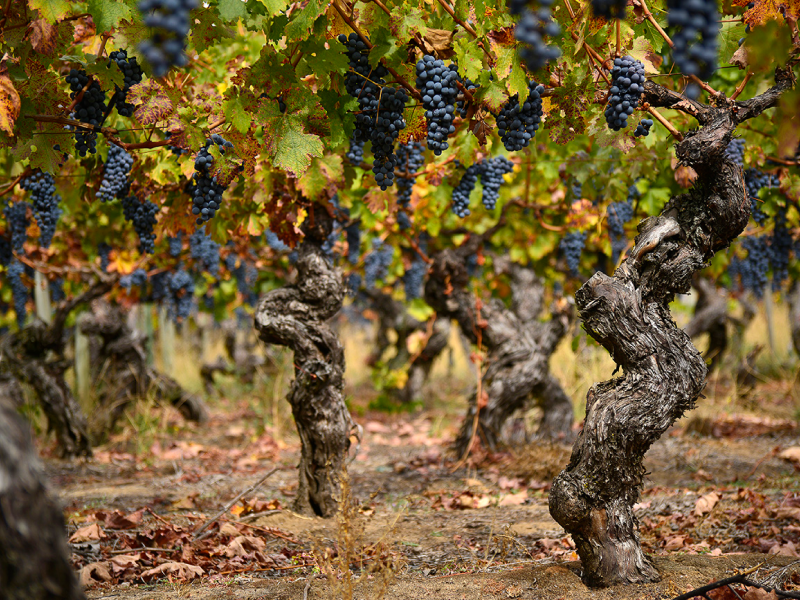
An amphitheater of granite hillsides in the heart of the Colchagua Valley. Its old vines, planted on the slopes, concentrate fruit and noble tannins, providing the backbone of our blends.
Valley Information
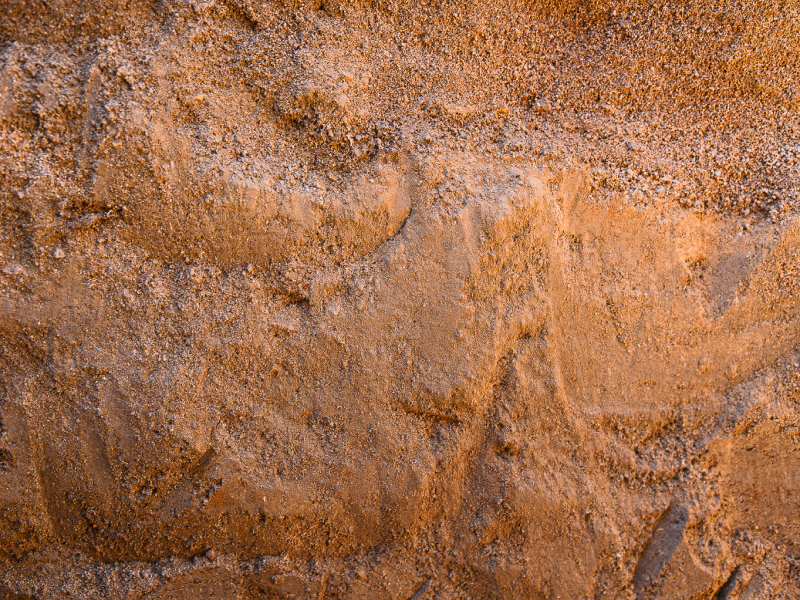
Our valley of origin. A historic territory of Chilean winemaking, where cool nights and loamy-clay alluvial soils give our red wines structure and freshness. This is where the Caballo Loco project was born.
Valley Information
On the Punta de Rosa estate, the Cab Franc variety planted in 1900 is located in a critical transition zone between the Coastal Range (low and rounded in form) and the colluvial-alluvial terraces generated by local alluvial fans that open the way toward the Mataquito River basin.
Valley Information